Trauma Therapy for Children: Supporting Healing One Step at a Time
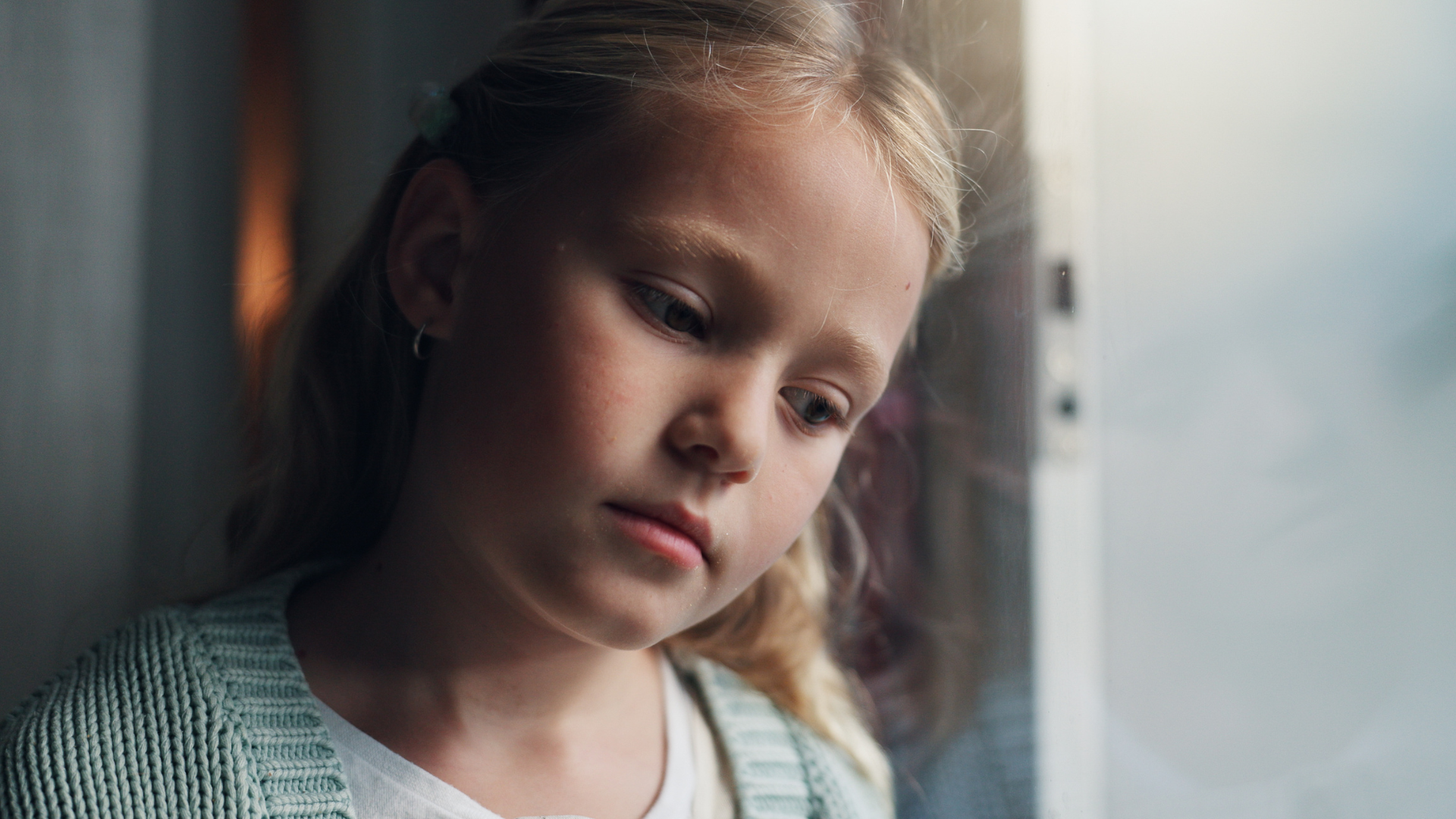
There are moments in childhood that shape who we become, laughing with friends, celebrating milestones, discovering new interests, and feeling comforted after a difficult day. These experiences help children build confidence, resilience, and a sense of security. But not every childhood experience is easy.
A frightening accident, the loss of a loved one, family conflict, abuse, neglect, or another overwhelming event (or even a series of events) can leave a lasting emotional impact. Even when children seem "fine" on the outside, they may be carrying emotions they don't yet have the words to express. Instead, those feelings often appear through changes in behavior, sleep, relationships, or physical health. That's why recognizing the signs early and providing the right support can make a meaningful difference.
Trauma therapy for children provides a safe, nurturing environment where children can process difficult experiences in ways that are appropriate for their age and developmental stage. The National Child Traumatic Stress Network notes that trauma can affect many aspects of a child's emotional, physical, and social development. By understanding how trauma may influence a child's thoughts, feelings, and behavior, families can recognize when additional support may help them move toward healing.
We believe every child deserves compassionate care that honors their unique experiences. Trauma and loss support for children is designed to help children navigate grief, trauma, and significant life changes with patience, understanding, and evidence-based support. Healing doesn't happen overnight, but with the right guidance, children can learn to move forward with strength and hope.
Understanding childhood trauma
Trauma isn't defined solely by the event itself, it's about how the experience affects the child.
An event that feels manageable to one child may feel overwhelming to another. Factors such as a child's age, developmental stage, personality, previous experiences, and support system all influence how they respond to stressful or frightening situations.
Childhood trauma can stem from a wide range of experiences, including:
The death of a loved one
Divorce or separation
Serious illness or hospitalization
Physical, emotional, or sexual abuse
Neglect
Domestic violence
Natural disasters
Car accidents
Community violence
Bullying
Foster care placement or adoption-related transitions
Some traumatic events happen suddenly, while others occur over time through ongoing stress or repeated exposure to unsafe situations. Regardless of the cause, trauma can affect how children think, feel, behave, and connect with others.
This understanding is supported by the National Child Traumatic Stress Network, which emphasizes that every child's response to trauma is unique and influenced by their developmental stage, support system, and life experiences.
How trauma can affect a child's development
Children's brains are still developing, which means stressful or frightening experiences can have a significant impact on their emotional, social, and cognitive growth.
When a child experiences trauma, their brain may remain on high alert, constantly scanning for danger even after the threat has passed. Instead of focusing on learning, building relationships, or exploring the world with confidence, they may become more anxious, withdrawn, reactive, or emotionally overwhelmed.
Trauma can also affect a child's ability to:
Regulate emotions
Concentrate at school
Form healthy relationships
Solve problems
Feel safe in everyday situations
Trust others
Build self-confidence
While these challenges can feel overwhelming for both children and parents, they don't have to define a child's future.
Children are incredibly resilient, especially when they have supportive relationships and access to appropriate therapeutic care. With the right support, they can strengthen emotional regulation, develop healthy coping strategies, and rebuild a sense of safety.
Helping your child heal starts with understanding their experience.
If your child has experienced a difficult life event or you're noticing changes in their emotions or behavior, learn more about our trauma and loss support for children and learn how compassionate, individualized care can support their healing journey.


Signs your child may benefit from trauma therapy
Children don't always express emotional pain through words. Instead, they often communicate what they're feeling through their behavior, relationships, or physical well-being. Some children become quiet and withdrawn, while others become more emotional, fearful, or easily frustrated.
Here are some common signs that a child may benefit from trauma therapy:
1. Increased anxiety or fear
Your child may become more worried than usual, avoid certain places or people, or constantly seek reassurance from trusted adults.
2. Emotional outbursts
Children who have experienced trauma may have intense emotional reactions that seem out of proportion to the situation. They may cry easily, become frustrated quickly, or have difficulty calming themselves after becoming upset.
3. Withdrawal from family or friends
Some children begin isolating themselves, lose interest in activities they once loved, or seem emotionally distant from the people around them.
4. Difficulty concentrating
Trauma can make it harder for children to focus, complete schoolwork, remember information, or stay engaged during everyday activities.
5. Sleep challenges
Nightmares, difficulty falling asleep, fear of bedtime, or frequent waking during the night can all be signs that a child is struggling emotionally.
6. Physical complaints
Recurring headaches, stomachaches, or other unexplained physical symptoms may sometimes reflect emotional distress rather than an underlying medical condition.
7. Regression
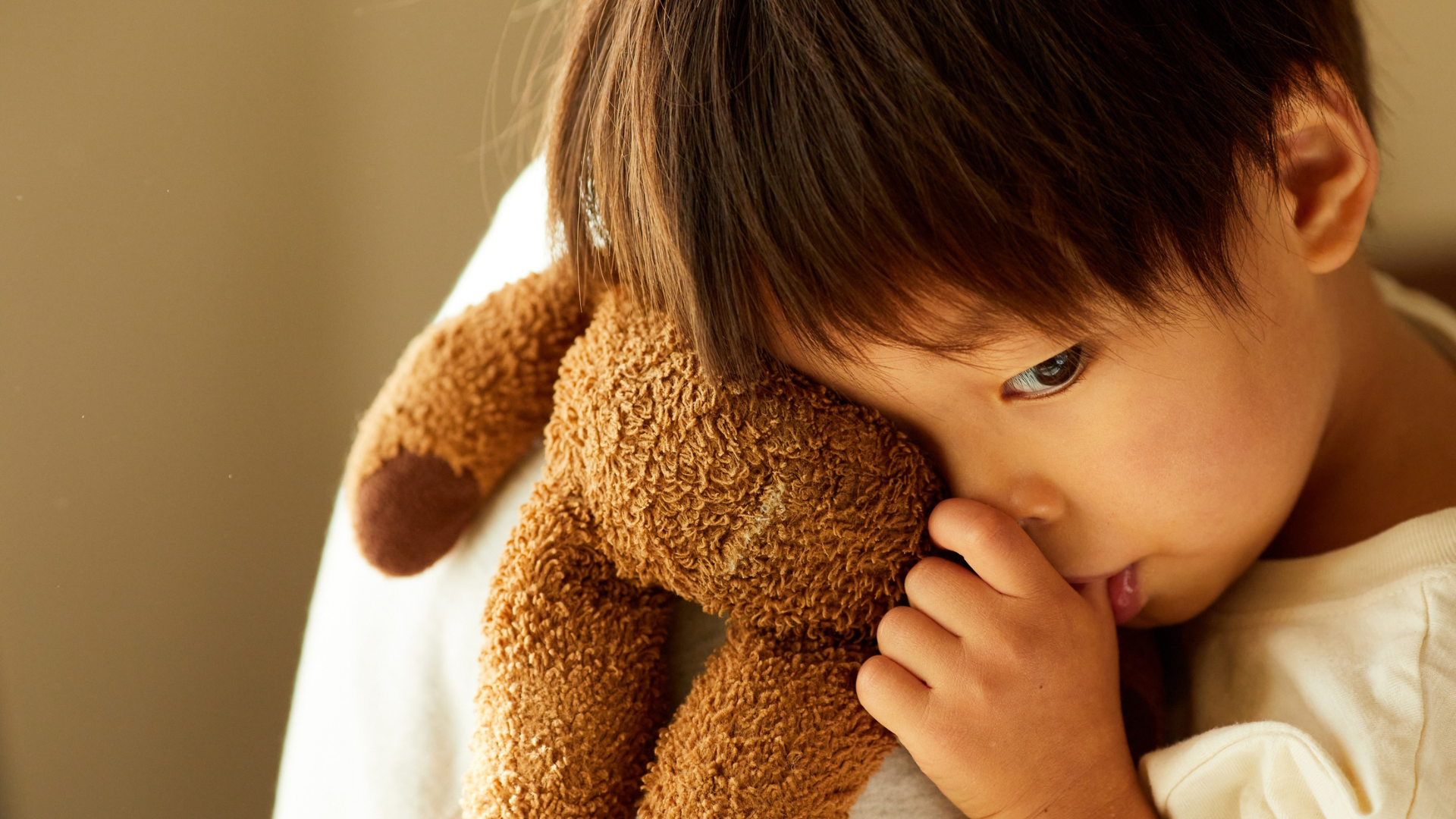
Younger children may temporarily return to earlier developmental behaviors, such as bedwetting, thumb-sucking, separation anxiety, or needing more comfort than usual.
Every child responds differently to difficult experiences. While these signs don't automatically mean a child has experienced trauma, persistent changes in mood or behavior deserve compassionate attention rather than dismissal or punishment.
You know your child better than anyone. If something doesn't feel quite right, trust your instincts. Contact us to learn how we can support your child with compassionate, personalized care and help you navigate the next steps with confidence.
What happens during trauma therapy for children?
One of the biggest misconceptions about therapy is that children are expected to talk about painful memories right away.
In reality, trauma therapy for children is designed to meet each child where they are emotionally. Before exploring difficult experiences, therapists focus on creating a safe and trusting relationship. Children heal best when they feel emotionally secure, respected, and accepted without judgment.
Depending on the child's age and unique needs, therapy may include:
Play-based activities
Creative expression through art
Storytelling
Drawing
Mindfulness and relaxation techniques
Emotional regulation strategies
Parent involvement and guidance
Developmentally appropriate conversations
Rather than forcing children to relive painful memories, these approaches help them safely express emotions, understand their experiences, and build confidence in managing difficult feelings.
We recognize that healing isn't about rushing the process, it's about creating a space where children feel supported every step of the way.
Trauma therapy is about more than talking
Children naturally communicate through play, creativity, movement, and imagination. That's why trauma therapy often includes activities that allow children to express thoughts and emotions they may not yet have the words to describe. Through carefully guided therapeutic play, art, storytelling, and other age-appropriate interventions, children can begin processing difficult experiences in ways that feel safe and manageable.
These experiences also help children strengthen emotional regulation, build problem-solving skills, and develop healthier ways of coping with life's challenges. As trust grows, children often become more comfortable sharing their feelings, gaining confidence not only in therapy but also in their relationships at home, school, and within their community.
Many families also find that trauma therapy complements other supportive services. Depending on your child's needs, your therapist may recommend services such as Play Therapy for Children, Anxiety and Emotional Regulation Support, or Behavioral and Adjustment Support to provide well-rounded care that supports every aspect of your child's emotional well-being.
You don't have to navigate this journey alone.
If you're wondering whether trauma therapy is the right next step, contact us to schedule a consultation. We're here to answer your questions, understand your concerns, and help you find the support that's right for your child and family.

The important role parents and caregivers play in healing
Healing doesn't happen only during therapy sessions. One of the most powerful influences on a child's recovery is the presence of caring, supportive adults who consistently help them feel safe, heard, and understood. Parents and caregivers don't need to have all the answers. Often, the most meaningful support comes from small, everyday moments of connection.
Some simple yet powerful ways to support your child's healing include:
Listening without immediately trying to solve the problem.
Validating their feelings instead of minimizing them.
Maintaining predictable daily routines.
Responding with patience during emotional setbacks.
Celebrating small victories and signs of progress.
Working collaboratively with your child's therapist.
Healing is rarely a straight line. There may be setbacks along the way, and that's okay. With compassion, consistency, and the right support, children can rebuild trust in themselves, strengthen their relationships, and move forward with greater confidence.
We believe healing is most meaningful when families are supported alongside their children. Together, we can help your child take each step toward feeling safe, connected, and hopeful again.
Every child deserves the opportunity to heal
Healing from trauma is not about forgetting what happened, it's about helping children feel safe, understood, and empowered to move forward with confidence. With compassionate support, children can learn healthy ways to process difficult experiences, build emotional resilience, and strengthen their relationships with the people who care for them most.
If you've noticed changes in your child's emotions or behavior after a difficult life event, know that you don't have to navigate this journey alone. Seeking support is not a sign of failure, it's a meaningful step toward helping your child feel secure, connected, and hopeful again.
We're committed to providing a safe, nurturing environment where children and families can heal together. We work alongside families to help children process overwhelming experiences, develop healthy coping skills, and rediscover a sense of safety at their own pace.
Every healing journey begins with feeling heard
Reaching out for support is a meaningful first step toward helping your child heal. If you're looking for compassionate guidance or want to learn more about trauma and loss support for children, contact us. We're here to provide a safe, supportive space for both your child and your family.
References
Association for Play Therapy. (n.d.). Why play therapy? https://www.a4pt.org/page/PTMakesADifference
Center on the Developing Child at Harvard University. (n.d.). Toxic stress. https://developingchild.harvard.edu/key-concepts/toxic-stress/
National Child Traumatic Stress Network. (n.d.). What is child trauma? https://www.nctsn.org/what-is-child-trauma