Parenting Neurodivergent Children: Learning to See the World Through Their Eyes
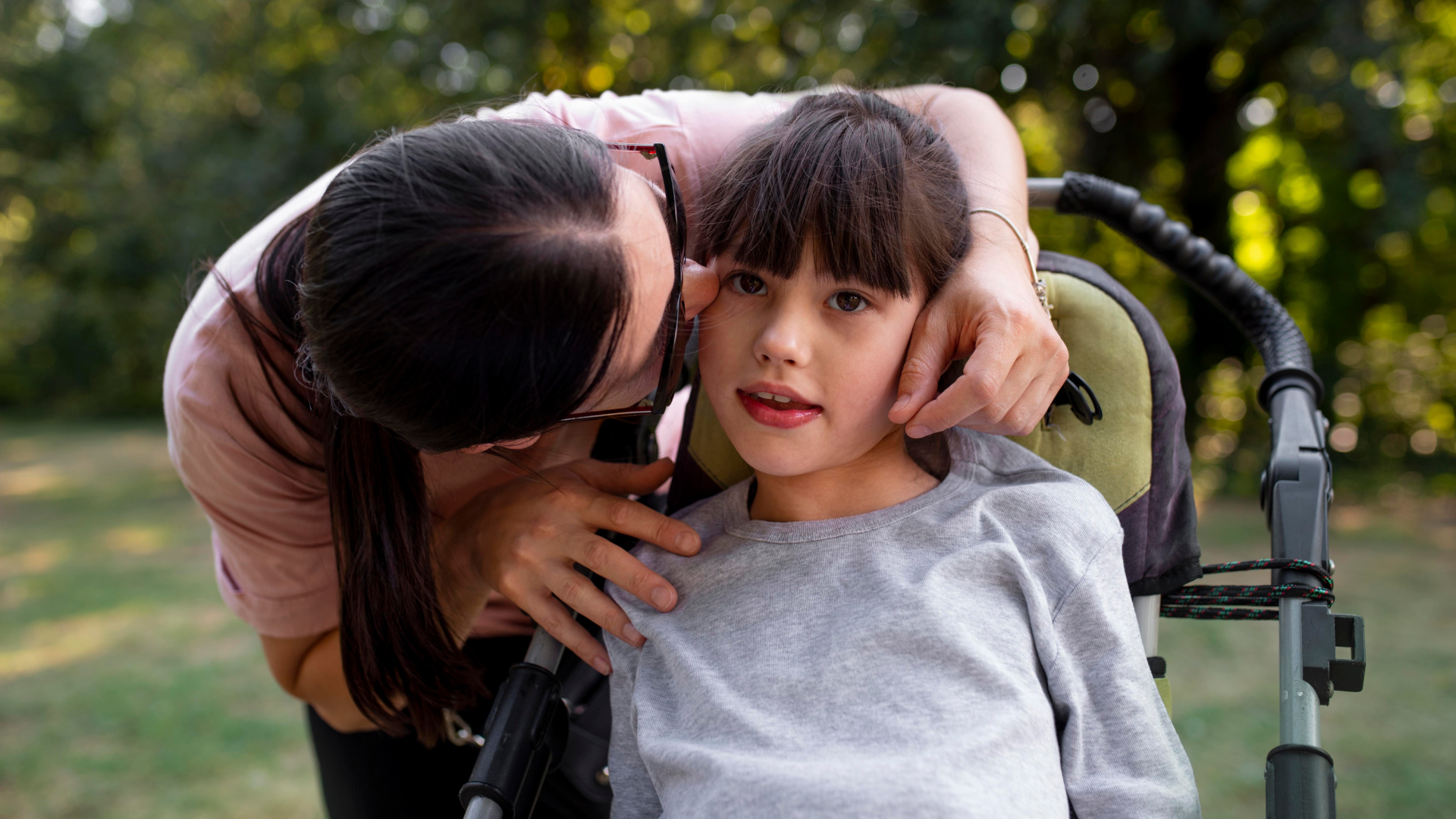
There is no single roadmap for parenting. Some children move through the world in ways that feel familiar and expected. Others experience, process, communicate, and respond to the world differently. If you're parenting a neurodivergent child, you may find yourself navigating conversations, challenges, and experiences that many parenting books never prepared you for.
You may be learning how to support a child who becomes overwhelmed by loud environments. You may be advocating for accommodations at school, helping your child navigate social relationships, or trying to understand emotional reactions that seem bigger than the situation at hand. Some days may feel rewarding and deeply meaningful. Other days may feel exhausting, confusing, or isolating.
The truth is that parenting neurodivergent children often asks parents to expand their understanding of what growth, success, communication, and connection can look like. And while that journey may not always be easy, it can also be one of the most powerful invitations to slow down, listen differently, and build relationships rooted in understanding rather than expectation.
At its heart, parenting neurodivergent children is not about changing who they are. It's about creating environments where they can feel safe, supported, understood, and empowered to be themselves.
If you're seeking support for parenting neurodivergent children, you're not alone. Whether you're navigating a new diagnosis, advocating for your child's needs, or simply looking for guidance along the way, support is available. Keep reading to learn more, or contact us to schedule a complimentary consultation with one of our therapists.
Understanding neurodiversity
The term neurodiversity recognizes that human brains are naturally diverse. Just as people differ in personality, culture, and life experiences, they also differ in how they think, learn, communicate, and process information.
Neurodivergent individuals may include those with:
Autism Spectrum Disorder (ASD)
Attention-Deficit/Hyperactivity Disorder (ADHD)
Dyslexia
Dyspraxia
Tourette Syndrome
Sensory Processing Differences
Other developmental and learning differences
According to the World Health Organization, autism spectrum disorders are a diverse group of conditions related to the development of the brain, and the abilities and needs of autistic people can vary and evolve over time.
While neurodivergent children may experience challenges with sensory processing, communication, executive functioning, attention, or emotional regulation, they also often possess unique strengths, interests, and perspectives that shape how they engage with the world around them.
Learning more about neurodiversity, emotional well-being, and strength-based parenting approaches can help families better understand and support their child's experiences.
Why parenting neurodivergent children can feel different
Many traditional parenting strategies are designed around neurotypical expectations. As a result, parents of neurodivergent children may discover that common advice does not always fit their child's needs.
Parenting neurodivergent children often involves navigating:
Diagnostic evaluations
Therapy appointments
Educational accommodations
Social misunderstandings
Sensory sensitivities
Emotional regulation challenges
Executive functioning difficulties
Behavioral concerns
A systematic review published in Children examined the quality of life, support needs, and well-being of parents of children with neurodevelopmental disorders
Beyond practical challenges, many parents also carry emotional burdens. They may feel pressure to explain their child's behaviors to others, respond to criticism, or navigate environments that are not always designed with neurodivergent individuals in mind.
Parents looking for additional guidance may benefit from reading about anxiety in children, coping with life transitions, and building resilience in families.


Moving beyond "fixing" and toward understanding
One of the most meaningful shifts many parents make is moving away from the idea that their child needs to be fixed. For years, developmental differences were often viewed primarily through a deficit-based lens. Success was measured by how closely a child could conform to neurotypical expectations.
Today, many clinicians, educators, and neurodiversity advocates encourage a more compassionate and balanced perspective.
Instead of asking: "What is wrong with my child?"
Parents can begin asking:
What is my child communicating?
What support do they need right now?
What are their strengths?
What helps them feel safe and understood?
This shift does not ignore challenges. Rather, it recognizes that growth happens most effectively when children feel accepted rather than constantly corrected. When children experience acceptance, they are often more willing to explore new skills, navigate challenges, and build confidence.
Creating a home that feels safe
Home can become a powerful place of regulation, healing, and connection.
Many neurodivergent children spend large portions of their day adapting to environments that may feel overstimulating or demanding. Creating a supportive home environment can provide a much-needed sense of safety.
Establish predictable routines
Predictability often helps reduce anxiety and overwhelm.
Simple strategies may include:
Visual schedules
Consistent morning and bedtime routines
Advance notice before transitions
Breaking large tasks into manageable steps
Using reminders and timers
Structure is not about rigid control. Rather, it helps create stability in a world that can sometimes feel unpredictable.
Respect sensory needs
Sensory experiences can significantly impact emotional regulation.
A crowded room, scratchy clothing, bright lights, or unexpected noises may feel intensely uncomfortable for some neurodivergent children.
Parents can support sensory needs by:
Identifying triggers
Creating quiet spaces
Allowing sensory breaks
Offering sensory-friendly tools
Respecting sensory preferences
Encourage authentic communication
Communication is not one-size-fits-all. Some children communicate verbally. Others may communicate through writing, visuals, movement, gestures, or assistive technology. Supporting communication means creating space for expression without demanding that it happen in a specific way.-
Supporting emotional regulation
Many neurodivergent children experience emotions intensely. What may appear to others as an overreaction is often the result of accumulated stress, sensory overload, anxiety, or emotional fatigue.
When a child becomes dysregulated, parents often feel pressure to immediately stop the behavior. However, emotional regulation is usually built through connection rather than control.
Parents can support emotional development by:
Validating feelings
Naming emotions
Modeling coping strategies
Recognizing signs of overwhelm
Remaining calm during difficult moments
Emotional regulation often develops over time through supportive relationships, consistent guidance, and opportunities to practice coping skills in safe environments.
Partnering with schools instead of battling them
For many families, school can become one of the most stressful parts of parenting neurodivergent children. Parents often find themselves advocating for accommodations, explaining their child's needs, and helping educators understand behaviors that may be misunderstood. While this process can feel exhausting, collaborative partnerships often create the strongest outcomes.
Helpful strategies include:
Maintaining open communication
Sharing observations and strengths
Participating in support planning
Asking questions
Focusing on solutions rather than blame
Strong collaboration between home and school can support a child's overall social-emotional development and sense of belonging.
Common misconceptions about neurodivergent children
Misunderstandings about neurodivergence remain common. One of the most persistent myths is that neurodivergent children simply need more discipline. In reality, many behaviors are connected to sensory processing differences, communication challenges, anxiety, executive functioning difficulties, or emotional overwhelm. Another misconception is that neurodivergent children lack empathy. Research increasingly suggests that many neurodivergent individuals experience empathy deeply but may express it differently than neurotypical individuals.
When families, educators, and communities learn to view behaviors through a lens of curiosity rather than judgment, children are more likely to feel understood and supported. Greater understanding helps foster compassion, acceptance, and healthier family dynamics.
Helping children develop self-advocacy
One of the most valuable skills parents can nurture is self-advocacy. As children grow, they benefit from learning how to understand their needs, communicate boundaries, and request support when necessary.
Parents can encourage self-advocacy by:
Teaching age-appropriate information about neurodivergence
Encouraging self-expression
Including children in decisions that affect them
Helping them identify successful accommodations
Celebrating independence
Over time, these experiences help build confidence, resilience, and personal empowerment.


Supporting yourself along the way
Parents often spend so much energy caring for others that they forget to care for themselves. Yet parenting neurodivergent children can be emotionally demanding, particularly when navigating appointments, educational systems, family responsibilities, and daily stressors.
Caring for yourself is an important part of supporting your child. When parents have opportunities to rest, seek support, and care for their own emotional well-being, they are often better able to respond to the challenges and demands of daily family life.
Taking care of yourself is not separate from caring for your child. It is part of caring for your child.
Support may come through:
Therapy
Community support groups
Trusted relationships
Personal interests and hobbies
Rest and recovery
Resources focused on self-care, stress reduction, family wellness, and relationship support can help parents maintain balance while supporting their families.
A different path is not a wrong path
Parenting neurodivergent children often asks families to release expectations they may have once held and embrace possibilities they never imagined. There may be moments when progress looks different from what was expected. Milestones may arrive on a different timeline. Success may not always look the way society says it should. But growth is still happening. Connection is still happening. Healing, learning, and resilience are still unfolding. Some of the most meaningful moments often emerge when parents stop measuring their child against a standard they were never meant to fit and start recognizing the unique person standing in front of them. The goal is not perfection. The goal is a relationship. The goal is helping your child know, deeply and consistently, that they are loved, accepted, and worthy exactly as they are while also being supported in becoming who they are capable of becoming.
We believe healing and growth happen through connection, compassion, and feeling truly seen. Parenting neurodivergent children is not about having all the answers. It is about remaining curious, staying connected, and creating space for your child's authentic self to emerge.
And sometimes, that courage to understand rather than change, to connect rather than control, becomes one of the greatest gifts a parent can offer.
Parenting neurodivergent children can be deeply rewarding, but it can also come with questions, challenges, and moments when extra support can make a meaningful difference. You don't have to navigate this journey on your own. If you'd like a space to explore your concerns, strengthen family connections, or receive guidance tailored to your child's unique needs, contact us to schedule a complimentary consultation with one of our therapists. We're here to support you and your family every step of the way.
References
Bourke-Taylor, H., Joyce, A., Melbourne, E., Rhoads, C., & Cordier, R. (2023). Parents of children with neurodevelopmental disorders: A mixed-methods systematic review of quality of life, stress, and support needs. Children, 10(6), 1004. https://doi.org/10.3390/children10061004
World Health Organization. (2023). Autism. https://www.who.int/news-room/fact-sheets/detail/autism-spectrum-disorders